Dehu — Sant Tukaram Maharaj
Dehu (Pune district, Haveli taluka, on the Indrayani riverbank) is the birthplace of Sant Tukaram Maharaj, who is believed, in Warkari tradition, to have ascended bodily to Vaikuntha from here (rather than dying) — this site is known as the Vaikunthasthan. Dehu's principal landmarks are the Vaikunthasthan (the spot beneath the nandurki tree) and the Gatha Mandir (about 4,000-4,500 of Tukaram's abhangs carved on marble walls). The two main days of the year, directly dated in the panchang, are Tukaram Beej (Phalgun Krishna Dwitiya, 5 March in 2026) and the Palkhi Prasthan (Jyeshtha Krishna Saptami, 7 July in 2026 — when the Ashadhi Wari begins its journey from Dehu). By most sources, Tukaram's youngest son, Narayan Maharaj, began the tradition of carrying the paduka palkhi in 1685 — the same tradition that continues today, over 340 years on.
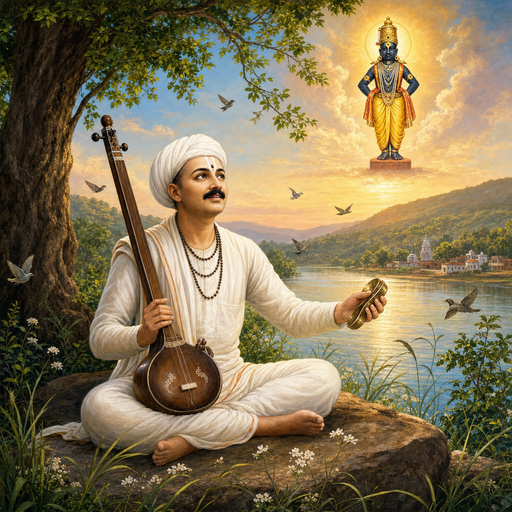
This year's dates (2026)
- Thursday; Tukaram Beej — the day of the bodily ascension to Vaikuntha5 Mar
- Tuesday; Sant Tukaram Maharaj Palkhi Prasthan — the Ashadhi Wari begins, Dehu, Pune district7 Jul
Deity & significance
Dehu is not a deity temple in the classical sense, but a sant-kshetra — its central revered figure is Sant Tukaram Maharaj (a 17th-century Warkari/Bhakti-tradition saint-poet, also addressed as "Jagadguru" and "Tukobaraya").
Tukaram was himself a Vitthal-devotee Warkari; his legacy lives on chiefly through his abhang-gatha (a blend of social critique, devotion, and philosophy).
Details of significance and legend can vary by household and local tradition.
History & legend (sthala-purana)
Dehu's principal site is the "Vaikunthasthan" — Tukaram is not believed to have taken samadhi by giving up his body; instead, he is believed to have ascended bodily (sadeh) to Vaikuntha. This is fundamentally different from Dnyaneshwar Maharaj's Sanjeevan Samadhi at Alandi — the correct terms for Tukaram's site are Vaikunthasthan and bodily ascension to Vaikuntha, not samadhi.
His father was Bolhoba (Balhoba), his mother Kankai; the family surname was More (Ambile in one source). The family maintained eight generations of Warkari pilgrimage tradition (traced to ancestor Vishwambhar Baba). By tradition, his birth year is given as 1608 CE, at Dehu (the popular, trust-endorsed figure) — but the birth year is genuinely disputed among scholars; both the English and Marathi Wikipedia entries independently record 1568, 1577, 1598, and 1608 as different candidate years.
He married twice — his first wife, Rakhumai (Rakhmabai), died along with a son in the famine of 1630-31; his second wife, Avali (Jijabai), was the daughter of Appaji Gulve of Pune. At the time of his passing, he had three sons — Mahadev, Vithoba, and Narayan (the youngest) — and some daughters (whose names and number vary slightly across sources).
Sources differ on his guru — both the Marathi Vishwakosh and the Marathi Wikipedia say that the "Ramkrishnahari" mantra came to him in a dream from Babaji (Keshav Chaitanya), though even the exact date (1632, or 23 January 1640) and place (Dehu or Otur) are mutually disputed among Marathi sources. The English Wikipedia, however, states that Tukaram had no single fixed guru — instead naming Namdev, Dnyandev, Kabir, and Eknath as influences.
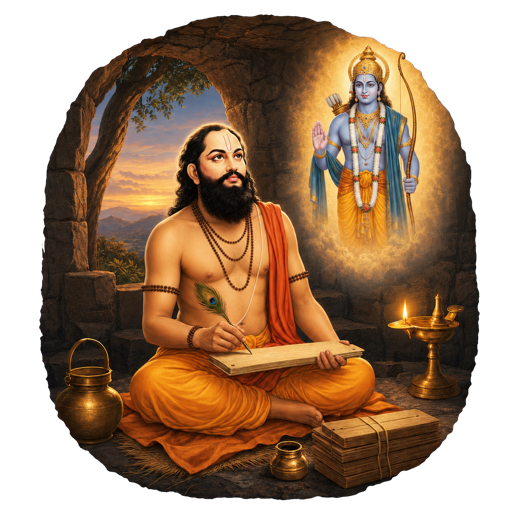
Due to famine and social hardship, his business collapsed around age 17; he withdrew into solitude (a cave) for contemplation and austerities.
The Indrayani-Gatha episode — opponents (named specifically as Rameshwar Bhat by the Marathi Wikipedia; described only as generic "local Brahmins" by the English Wikipedia) are said to have forced Tukaram to submerge his notebooks of abhangs in the Indrayani river, challenging that if his devotion were true, the notebooks would return. Tukaram is said to have fasted for 13 days; the notebooks are believed to have resurfaced, floating — this memory is what led to the building of the Gatha Mandir.
By one source, Mambaji Gosavi (the head of a math in Dehu) is said to have persecuted Tukaram with a thorny staff.
The bodily ascension (the central legend): by tradition, on Shaka 1571, Phalgun Krishna Dwitiya (1650 CE, at about age 42) — under a nandurki tree in Dehu, at 12:02 PM — Tukaram is believed to have ascended bodily to Vaikuntha. There is a popular belief that the same nandurki tree shakes every year on Beej day — this is presented here as a matter of belief, not established fact. The Marathi Wikipedia itself notes that some among the progressive and educated classes are skeptical of the bodily-ascension account.
The beginning of the palkhi tradition: Tukaram's youngest son, Taponidhi Narayan Maharaj (a figure entirely distinct from the 20th-century saint Narayan Maharaj of Kedgaon — the two shouldn't be confused), is said by most sources to have begun, in 1685 CE, the tradition of carrying Tukaram's silver padukas in a palkhi from Dehu towards Pandharpur — today's Ashadhi Palkhi tradition traces directly to this. By some sources, his second son, Mahadev Maharaj, petitioned Chhatrapati Sambhaji Maharaj, who provided financial support for the procession and protection from Mughal harassment; after Sambhaji's martyrdom in 1689, Chhatrapati Rajaram Maharaj is said to have continued this protection.
One independent source, however, records a different version — that it was Tukaram himself (not Narayan Maharaj) who began the paduka-palkhi tradition, crediting the dindi structure's reform to a Satara-court nobleman, Haibatrao Baba.
The English Wikipedia itself notes that the story of Tukaram meeting Chhatrapati Shivaji Maharaj is "legendary" and lacks historical evidence. The popular legend of a Shivaji visit at Bhandara Dongar, and the hill's name deriving from that visit, should be treated as part of the same thread — presented here as legend, not as established history.
Architecture & layout
Vaikunthasthan — the site beneath the nandurki tree where the bodily ascension to Vaikuntha is believed to have taken place.
Gatha Mandir — a more recently built, marble structure; about 4,000-4,500 of Tukaram's abhangs are carved on its walls.
Shila Mandir — a temple built around a rock on the Indrayani bank where Tukaram is believed to have fasted for 13 days; about 3 km from the village.
The village is also said to have an old Vitthal temple and a Shiv temple.
The village sits on the Indrayani riverbank; a "doh" (deep pool) in the river is well known, believed to be where the Gatha notebooks were submerged.
Festivals & yatra
The dates below are drawn only from the panchang; yatra and festival timings should be confirmed with the Sansthan.
| Festival | Tithi | 2026 date | In brief |
|---|---|---|---|
| Tukaram Beej (the day of bodily ascension to Vaikuntha) | Phalgun Krishna Dwitiya | 5 March (Thursday) | The Sansthan observes a week around Phalgun Shukla 10 to Krishna 8, with Beej as the main day; belief holds that the nandurki tree shakes at 12:02 PM. |
| Sant Tukaram Maharaj Palkhi Prasthan (the Ashadhi Wari begins from Dehu) | (Nija) Jyeshtha Krishna Saptami | 7 July (Tuesday) | Per the Sansthan's own calendar, the week begins from Jyeshtha Shukla Purnima and departure falls on Krishna Saptami — matching the panchang tithi exactly; the first halt is at the Angadshah Baba Dargah. It connects onward to Ashadhi Ekadashi and Pandharpur Vitthal (the Wari takes about 18-21 days, meeting the Dnyaneshwar palkhi at Wakhari). |
| Sant Tukaram's birth-festival week | Magh Shukla 5 (Vasant Panchami) to Trayodashi; Anugraha Din on Magh Shukla 10 | Vasant Panchami falls on 23 January in 2026 | This date is tied to the general Vasant Panchami festival; the exact Tukaram-specific week bracket should be confirmed with the Sansthan. |
| Narayan Maharaj (Taponidhi) Punyatithi week | Per the Sansthan, Ashadh Krishna Trayodashi to Shravan Shukla Chaturthi | Confirm with the Sansthan | Tukaram's youngest son, the founder of the palkhi tradition — confirm the exact yearly date of this punyatithi week with the Sansthan. |
Darshan & aarti timings
Per the official Sansthan's website:
- Temple hours: 5:00 AM to 10:00 PM.
- Morning aarti: 5:00 AM. Evening aarti: 7:00 PM.
- Timings may extend or change during festival periods (Beej, Palkhi Prasthan) — confirm with the Sansthan before an actual visit.
Special rituals here
Abhang recitation and darshan at the Gatha Mandir are a general practice here — confirm the exact schedule with the Sansthan.
The Angadshah Baba Dargah — the first halt: after departing Dehu, the palkhi stops at this dargah; paduka-puja, aarti, and abhang-singing take place. Sayyad Angadshah Wali Baba is believed to have become a disciple of Tukaram Maharaj — this is described as a symbol of Hindu-Muslim harmony.
Crowds gather near the nandurki tree on Beej day — devotees assemble to witness the moment the tree is believed to shake, around 12:02 PM.
For fasting and vrat details related to the Ashadhi Palkhi Prasthan, see the Ashadhi Ekadashi page.
How to reach
Location: Dehu, Haveli taluka, Pune district; on the Indrayani riverbank; about 25 km from Pune towards Mumbai.
By rail: Dehu Road railway station, about 6 km from the village.
By road: along the old Pune-Mumbai highway; buses and private vehicles are easily available from Pune and Pimpri-Chinchwad.
Distance from Alandi (Dnyaneshwar's kshetra): about 14-16 km.
Nearby places
- Alandi — Sant Dnyaneshwar Maharaj's samadhi kshetra; about 14-16 km from Dehu; the Dnyaneshwar palkhi also departs one day after Dehu's.
- Bhandara Dongar — where Tukaram is believed to have performed austerities and contemplation; a cave; a Shivaji-visit legend (presented lightly, as legend).
- Shila Mandir — on the Indrayani bank, about 3 km away.
- Pune and Pimpri-Chinchwad city.
Travel tips (good to know)
- Expect large crowds on both Beej and Palkhi Prasthan days — darshan queues grow longer and local traffic changes; confirm with the Sansthan's contact or portal before travelling.
- During the monsoon (around Ashadh/July, near palkhi-prasthan time), the Indrayani river rises — take care along the riverbank.
- Visiting Alandi together is convenient — the two palkhis depart just a day apart.
FAQ
- Who was Tukaram of Dehu?
- A great 17th-century saint-poet of the Warkari/Bhakti tradition; author of over 4,000 abhangs (the Gatha); by tradition, believed to have ascended bodily to Vaikuntha from Dehu.
- What is Tukaram Beej, and when is it?
- The remembrance day of Tukaram Maharaj's bodily ascension to Vaikuntha, on Phalgun Krishna Dwitiya. In 2026, it falls on 5 March.
- How did Tukaram Maharaj go to Vaikuntha?
- By tradition, beneath a nandurki tree, at around 12:02 PM, he is believed to have ascended bodily to Vaikuntha — this site is known as the Vaikunthasthan (not a samadhi); this is a matter of belief.
- When does the Dehu palkhi depart for Pandharpur?
- On Jyeshtha Krishna Saptami. In 2026, it falls on 7 July.
- How do I reach Dehu?
- Dehu Road railway station (about 6 km away); along the Pune-Mumbai highway, about 25 km from Pune; buses are available from Pune and Pimpri-Chinchwad.
- What is inside the Gatha Mandir?
- About 4,000-4,500 of Tukaram's abhangs, carved on marble walls.
- What's the difference between Dehu and Alandi?
- Dehu is Sant Tukaram Maharaj's site; Alandi (about 14-16 km away) is Sant Dnyaneshwar Maharaj's site — during the Ashadhi Wari, the palkhis from both meet at Wakhari before reaching Pandharpur.
Related Info
 Ashadhi Ekadashi25 Jul
- Pandharpur Vitthal-Rukmini Temple29 Jan
 Vasant Panchami23 Jan
 Tukaram Beej5 Mar
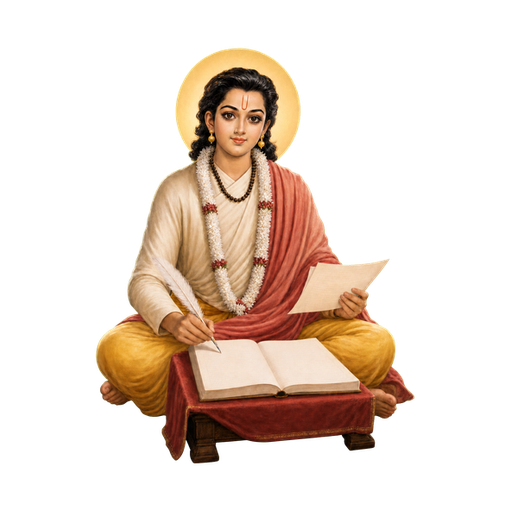 Alandi Sant Dnyaneshwar Samadhi Mandir8 Jul
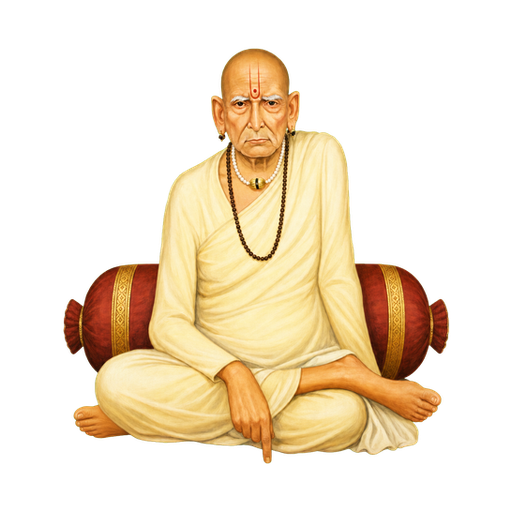 Akkalkot Swami Samarth19 Feb
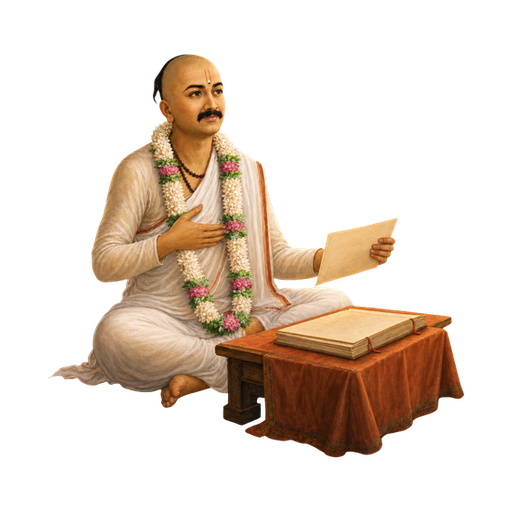 Paithan — Sant Eknath Maharaj Samadhi Mandir9 Mar
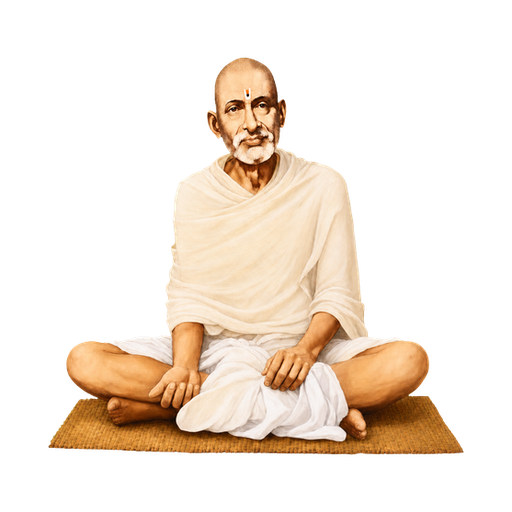 Shegaon Gajanan Maharaj8 Feb
 Shirdi Sai Baba26 Mar
 Sajjangad — Samarth Ramdas Samadhi11 Feb