Purnima Vrat
Purnima Vrat is the general fast, moon/deity puja, and charity observed on every month's Shukla Purnima (full moon) — it isn't tied to any single legend or deity. The fast begins at sunrise and is broken after moonrise at night.

This year's dates (2026)
- Sunday; the panchang's main entry is plain 'Purnima' — the only purnima day in 2026 with no name or festival of its own31 May
- Tuesday; the panchang's main entry is 'Dhulivandan' — no purnima-named page of its own, the day is already claimed by the Holi festival3 Mar
- Wednesday; the panchang's main entry is 'Datta Jayanti' — no purnima-named page of its own, the day is already claimed by Datta Jayanti23 Dec
The site has a dedicated page, with its own name and legend, for 9 named purnimas — such as Kojagiri Purnima and Vat Purnima. This page instead covers the general fasting and puja vidhi that apply to a purnima with no name of its own. Many households also perform the Satyanarayan puja on purnima — but that's a separate, distinctly named puja with its own legend, prasad, and aarti; its detail lives on its own page, not here.
Significance
Purnima is regarded as the tithi of completeness (the full moon) — a symbol of peace of mind, positivity, and prosperity. There's a widespread belief that worship, fasting, and charity performed on this day bear greater fruit — this is a religious/cultural belief, not a scientific or astrological guarantee.
Sources don't agree on which deity should be worshipped — some centre the moon, some Vishnu/Shiv, and some Lakshmi/a goddess; the site's own general entry doesn't fix on one either. This can be decided according to a family's own ishta devata (chosen deity).
Some purnimas carry their own particular name and legend — Vat Purnima (the Savitri legend), Guru Purnima (Vyas puja), Kojagiri (the Lakshmi night vigil), and others. This page is meant for the remaining, unnamed purnimas, or for anyone who wants to observe a regular monthly purnima vrat without a specific legend attached.
The What is a tithi page already explains that purnima is the 15th tithi of the Shukla paksha.
The legend
No single, unified vrat legend is given for this page — each specifically named purnima (Satyanarayan, Vat Purnima, Kojagiri, and so on) has its own distinct legend; no single legend applies across all purnimas. If you're looking for a specific legend, see that named purnima's own page.
Who should observe it
Any devotee can observe this vrat — there's no caste or gender restriction. It's especially useful for those who take up the vrat as a monthly, recurring observance across the year (roughly 12-13 purnimas in a row). Tradition-specific eligibility tied to one particular purnima (such as Vat Purnima — married women) doesn't apply here; it's covered on that purnima's own page.
Puja vidhi
A general sequence — details can vary by family and tradition:
- Bathe early in the morning, at a sacred river or holy site if possible.
- Take the sankalp (vow) to fast from sunrise; fast through the day (waterless or fruit-based — both are common).
- During the day, offer general worship to the moon, Vishnu, or Shiv — according to the family's ishta devata.
- In the evening, after moonrise, offer arghya to the moon — water, milk, white flowers, and rice.
- Perform the aarti, offer naivedya, and break the fast with prasad.
- Give charity (see below).
For those who want to perform the Satyanarayan puja on the same day, its own separate, more detailed vidhi (a sequence of sankalp, kalash, navagraha, panchamrit, hearing the legend, and sheera prasad) is on the Satyanarayan puja page — this page is only for a general purnima vrat without any specific named puja.
Puja samagri
For the moon-arghya: water, milk, white flowers, rice, and a clean vessel. For the general puja: sandalwood paste, akshata, haldi-kumkum, incense and a lamp, and sattvic sweet naivedya. Food and clothing are the most commonly given items of charity; some traditions also mention giving white or moon-related items such as rice, milk, or silver — this list can vary by tradition and shouldn't be taken as a fixed standard.
Fasting & food (upvas)
The most widely shared approach is to fast from sunrise until moonrise at night. Some devotees keep a completely waterless fast; others take one fruit-based or milk-and-fruit meal at midday (without salt or grains) — both are common, and no single "correct" method exists.
The diet is sattvic — fruit, milk, dry fruit; meat, alcohol, and onion-garlic are avoided. The elderly, pregnant women, diabetics, and those on regular medication should avoid a strict or waterless fast and follow a gentler approach on medical advice.
Mantra & aarti
There's no single, universally agreed mantra or aarti for the purnima vrat — different mantras/stotras are recited according to the family's ishta devata (moon, Vishnu, Shiv, Lakshmi). When offering arghya to the moon, simply chanting the moon's name is generally considered sufficient. If you want the aarti for Satyanarayan or a specific named purnima, it's on that page (for example, Satyanarayan puja).
Regional customs
The general purnima vrat is observed pan-India, but the detail varies by family, kul custom, and region. In Maharashtra, it's a particularly well-established household custom to perform the Satyanarayan puja on this same day — but that's a separate subject (see above).
Good to know
- Looking for a specific purnima? Vat Purnima, Guru Purnima, Kojagiri/Sharad Purnima, Narali Purnima, Buddha Purnima, Maghi Purnima, Tripurari Purnima, Bhadrapad Purnima, and Shakambhari Purnima each have their own dedicated, in-depth page.
- Want to perform the Satyanarayan puja? It's a separate, distinctly named puja — its detailed vidhi, legend, and prasad are on the Satyanarayan puja page.
- A strict or waterless fast doesn't suit everyone — take an exemption on medical advice for diabetes, pregnancy, or old age.
- Claims about "gravitational pull/health benefits" should be understood as popular belief, not a medical guarantee.
FAQ
- What is the Purnima vrat?
- The general fast, moon/deity puja, and charity observed on every month's Shukla Purnima.
- Why do people fast on purnima?
- The full-moon tithi is seen as a symbol of completeness, prosperity, and peace of mind; worship, fasting, and charity on this day are believed to bear greater fruit.
- Who should observe the Purnima vrat?
- Any devotee; there's no caste or gender restriction, and many observe it as a monthly, recurring vrat throughout the year.
- How is the Purnima vrat fast broken?
- By offering arghya to the moon after moonrise at night, then taking prasad following the aarti and naivedya.
- Which deity should be worshipped on purnima?
- There's no single fixed deity — the moon, Vishnu, Shiv, or the family's own kuldevata, depending on tradition.
- Are the Purnima vrat and the Satyanarayan puja the same thing?
- No. Satyanarayan is a distinctly named puja performed on purnima (and other auspicious days too) — with its own legend, prasad, and aarti; the Purnima vrat is the broader, general concept.
- Does every purnima have a special name?
- 9 of the 13 purnimas in 2026 have their own specific name and festival; this general page applies to the rest.
- What should be given in charity on purnima?
- Food, grain, and clothing are considered meritorious; some traditions also mention giving white or moon-related items such as rice, milk, or silver.
Related Info
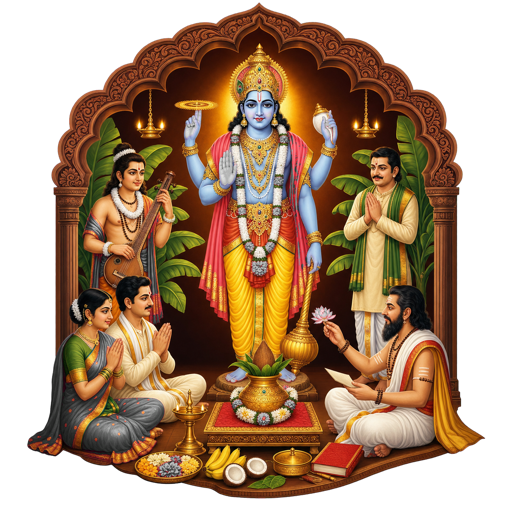 Satyanarayan Pooja1 Feb
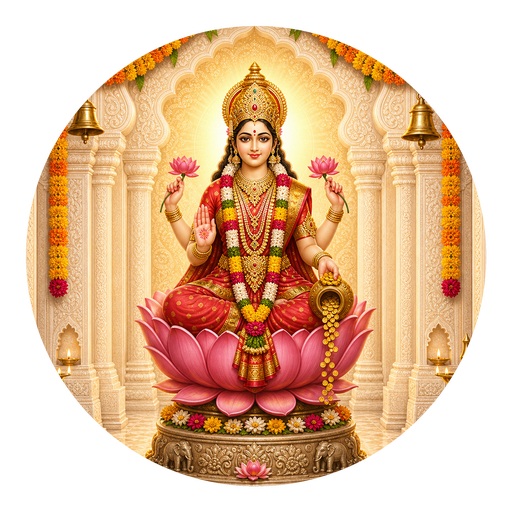 Kojagiri Purnima (Sharad Purnima)25 Oct
 Vat Purnima27 Jun
 Guru Purnima (Vyas Puja)29 Jul
 Narali Purnima27 Aug
- Bhadrapad Purnima (Proshthapadi Purnima)26 Sep
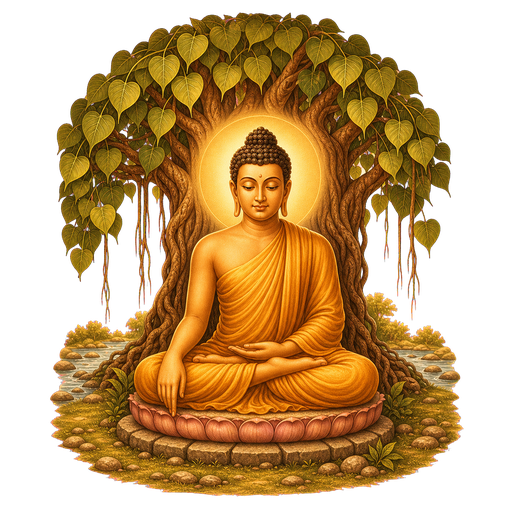 Buddha Purnima1 May
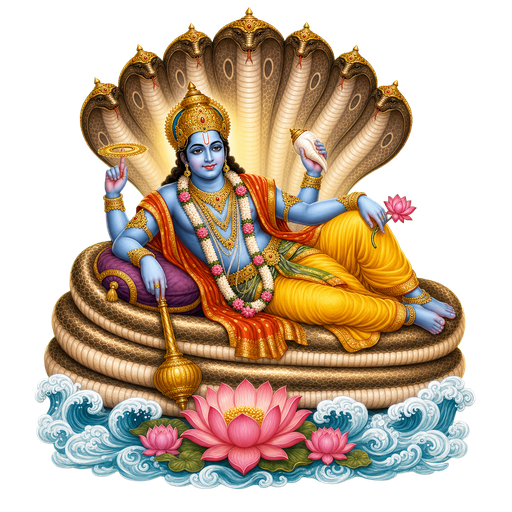 Maghi Purnima1 Feb
 Tripurari Pournima24 Nov
 Shakambhari Purnima3 Jan
 Holika Dahan / Holi2 Mar
 Datta Jayanti (Shri Dattatreya Jayanti)23 Dec