Shani Pradosh
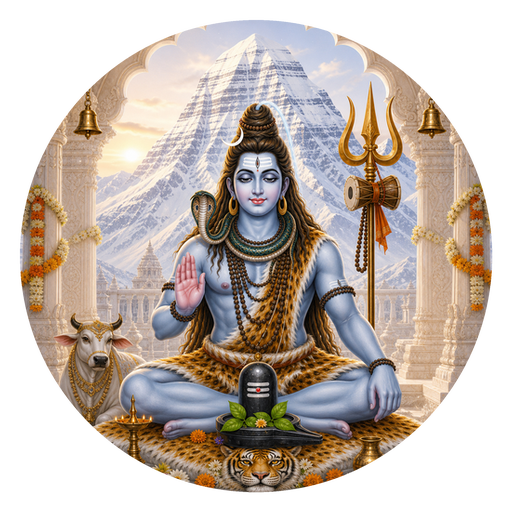
Pradosh vrat is a Shiva observance kept on Trayodashi tithi every month, in both the Shukla and Krishna paksha. When this Trayodashi falls on a Saturday, it is called Shani Pradosh. Saturday is ruled by Lord Shani (Saturn), so this Pradosh is believed to bring the grace of both Shiva and Shani together — it is considered especially auspicious for Sade Sati and Shani-dosha relief. In 2026 this coincidence happens twice — 14 February and 27 June.
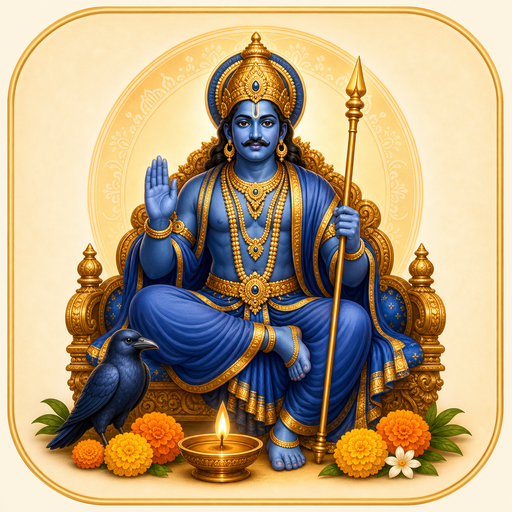
This year's dates (2026)
- First Shani Pradosh — Krishna paksha14 Feb
- Second Shani Pradosh — Shukla paksha; falls in the Nij (real) Jyeshtha month27 Jun
Significance
Pradosh is the twilight window that begins right after sunset, before night sets in. When Trayodashi tithi and this pradosh window coincide, it is considered the most auspicious moment for Shiva worship. Among the weekday Pradoshas, Shani Pradosh is often mentioned first in traditional accounts, ahead of Soma and Bhaum.
The exact clock time for pradosh kaal varies by city — check that day's panchang page for the precise window.
Because Saturday is ruled by Lord Shani (Saturn), the grace of both Shiva and Shani is believed to come together on this day, making this Pradosh especially powerful.
According to legend, Shani performed severe penance to Lord Shiva, who was pleased and made Shani his disciple. This is believed to be why worshipping Shiva also pleases Shani; Shiva and Shani are also described as offering their blessings together, in complementary roles.
The most prominent benefit of Shani Pradosh is believed to be relief from Sade Sati and Shani dosha — clearing obstacles and delays in life, and restoring lost reputation, wealth, or marital happiness. This is a matter of belief, not a universal astrological guarantee.
The vrat is also considered beneficial for couples seeking children — this Saturn-linked benefit rests on astrological belief, not a medical or universal guarantee.
Shani Pradosh, too, can fall in either paksha — in 2026, 14 February falls in Krishna paksha, and 27 June in Shukla paksha.
The legend
Two distinct versions are associated with Shani Pradosh — kept separate here, not blended into one.
When the gods and demons churned the ocean, it released a terrible poison called Halahal, capable of destroying all creation. To protect creation, Shiva himself drank that poison — and from then on came to be known as Neelkanth. This is believed to have happened on Trayodashi, during the pradosh window itself; pleased afterward, Shiva performed his joyful Tandava dance on Kailash — this legend is shared across the whole Pradosh family.
A second, Shani-specific legend is also told — Shani performed severe penance to Lord Shiva. Pleased, Shiva made him his disciple and granted him the authority of justice. This is believed to be the origin of the tradition that worshipping Shiva also pleases Shani.
Two different variants of the vrat's reward-story around children are also found — they should not be merged. In one Marathi version, a poor Brahmin family is in distress; sage Shandilya advises them to observe Shani Pradosh vrat. The younger son finds a pot of gold, while the elder son marries a Gandharva princess and regains his lost kingdom. In a second, Hindi version, a wealthy but childless merchant couple meets a sage while on pilgrimage; the sage advises the Shani Pradosh vrat, and after observing it, they are blessed with a son — this version has no gold, Gandharva princess, or kingdom. The shared beat across both is only this: a distressed or childless couple, a sage's advice to observe Shani Pradosh, and the blessing of a child; the specific details (gold, the princess, the kingdom) should not be taken as settled fact.
Who observes it
All Shiva devotees — regardless of gender or age — observe this vrat for wish-fulfilment, relief from planetary afflictions, and Shiva's grace. Shani Pradosh in particular is believed to be observed by those going through Sade Sati or Dhaiya, those with a weak or afflicted Saturn in their birth chart, and couples seeking children.
Puja vidhi
- A sankalp (vow) is taken during the day and a fast is kept — bathing before sunrise, followed by a waterless fast or a fruit-only diet.
- In the evening, at sunset, a second bath is taken, preferably wearing dark or blue-black clothing (Saturn's colour), to prepare for the puja.
- During the pradosh window, a full shodashopachar puja (16-step worship) is offered to the Shiva lingam or murti.
- Abhishek is performed with water, milk, sesame oil, and panchamrit; bilva leaves, sandal paste, unbroken rice, black sesame seeds, and incense-lamps are offered.
- The mantra 'Om Namah Shivaya' is chanted with full attention; some traditions add a Shani stotra or mantra.
- After listening to the vrat katha and the aarti, the fast is broken by tradition.
What you need
A Shiva lingam or murti (or one made of turmeric-kumkum or clay), bilva leaves, water/Gangajal, milk-panchamrit, sesame oil, black sesame seeds, sandalwood paste, unbroken rice, flowers, incense-lamps, an offering of fruit, and preferably dark or blue clothing (Saturn's colour).
 Shiva lingam or murti
 Bilva leaves
 Water/Gangajal
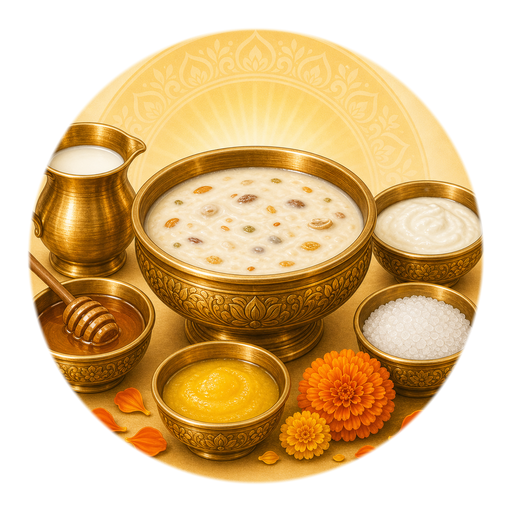 Milk-panchamrit
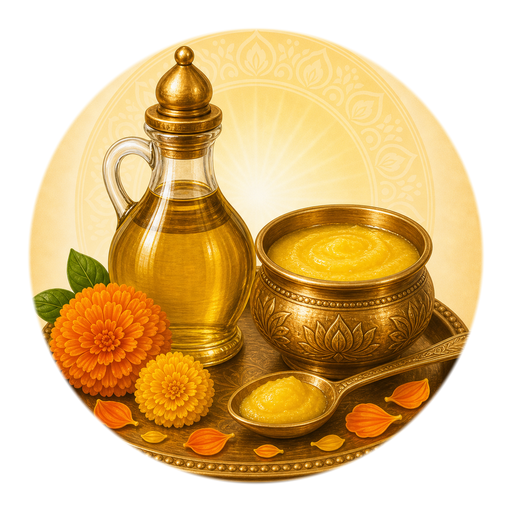 Sesame oil
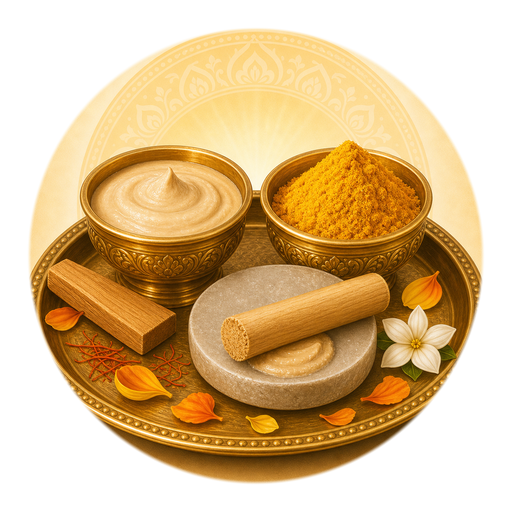 Sandalwood paste
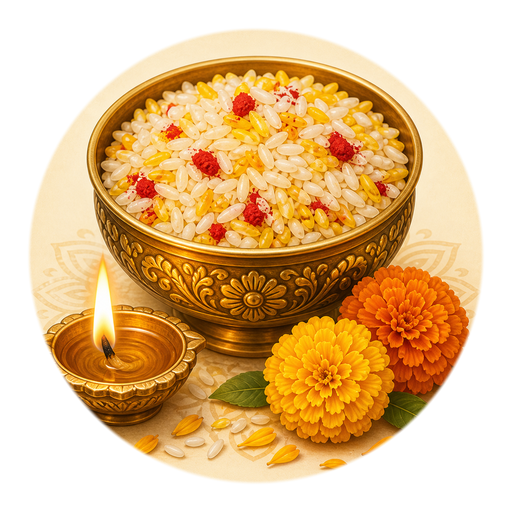 Unbroken rice
 Flowers
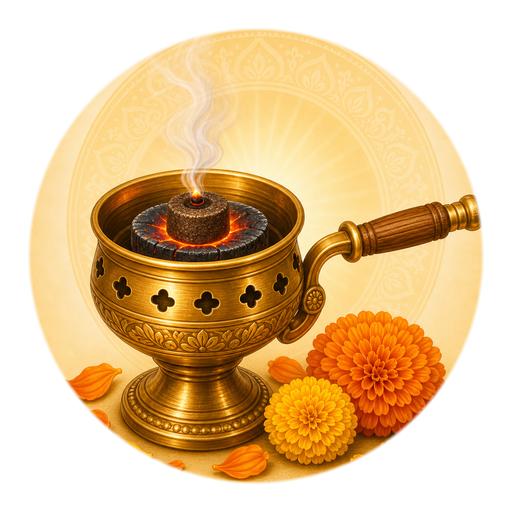 Incense
 Lamp
Lamp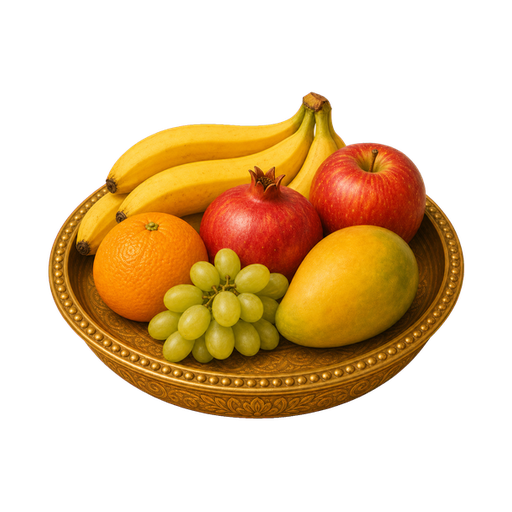 Fruit
Fruit Dark/blue clothing
Fasting
Fasting is not mandatory — depending on capacity, some keep a full waterless fast, others eat only fruit. Grains, rice, and plain salt are avoided; restraint is recommended.
Mantra & aarti
The five-syllable mantra 'Om Namah Shivaya' (meaning: salutations to Shiva) is the core mantra of Pradosh worship. Some traditions also chant a Shani mantra or stotra on Shani Pradosh, though the full text is not reproduced here.
A traditional public-domain Marathi aarti, "Lavathavati Vikraala" by Samarth Ramdas, is sung to Shiva on this occasion — it opens with "Lavathavati vikraala brahmandi maala…"
Regional customs
Maharashtra follows the amanta calendar, where Trayodashi is counted in both pakshas — so Shani Pradosh can fall in any masa, in either paksha.
The 27 June 2026 Shani Pradosh falls in the Nij (real) Jyeshtha month — 2026 also had an earlier Adhik Jyeshtha. Since Shani Pradosh is based on tithi and weekday, it can fall in either the Adhik or Nij Jyeshtha, and this particular occurrence is in the Nij month.
This site already carries a rich set of Shani-related pages — it helps to know how Shani Pradosh differs from the others: Shani Pradosh (tied to Trayodashi tithi, in any masa); Shanivar vrat (tithi-independent, every Saturday); Shani Amavasya (Amavasya falling on a Saturday, a different tithi-weekday pairing); Shravani Shanivar (only Saturdays within Shravan masa); and Shani Jayanti (Shani's annual birth-anniversary, not a recurring tithi-weekday observance). All five are Saturday/Shani-related but remain distinct vrats — the Shani Shingnapur temple page is a natural darshan-cluster link as well.
Shani Pradosh (Trayodashi, evening) and Masik Shivratri (Chaturdashi, midnight) are distinct tithis — this year, Masik Shivratri falls on Saturday, 13 June, and Shani Pradosh on Saturday, 27 June, so both fall on different Saturdays in the same month; these should not be confused.
Good to know
- The exact pradosh-kaal time depends on sunset and varies by city — check that day's panchang page, along with its Rahukaal window, for the precise timing.
- A waterless fast isn't suitable for everyone — those with diabetes, blood pressure issues, pregnant women, and the elderly should choose the fruit-only option.
- Shani Pradosh, Shanivar vrat, Shani Amavasya, Shravani Shanivar, and Shani Jayanti are five distinct vrats.
FAQ
- What is Shani Pradosh?
- The Shiva Pradosh vrat observed when Trayodashi tithi falls on a Saturday; connected to Shani (Saturn) and the Shiva-Shani guru-disciple relationship.
- When is Shani Pradosh in 2026?
- Saturday, 14 February (Magh Krishna Trayodashi) and 27 June (Nij Jyeshtha Shukla Trayodashi).
- Are Shani Pradosh and Shanivar vrat the same?
- No — Shani Pradosh is tied to Trayodashi tithi, while Shanivar vrat is tithi-independent and observed every Saturday.
- How is Shani Pradosh believed to help with Sade Sati?
- Because Shiva is considered Shani's guru, worshipping Shiva is believed to please Shani too and soften Sade Sati's inauspicious effects — this is a matter of belief, not a guarantee.
- Why is Shiva considered Shani's guru?
- According to legend, Shani performed severe penance to Shiva, who was pleased and made him his disciple — which is why Shiva worship holds special importance on Shani Pradosh.
- What is pradosh kaal?
- The twilight window right after sunset, before night sets in — considered the best time for Shiva worship. Check that day's panchang page for the exact window.
- How is the vrat observed and what can be eaten while fasting?
- A fast is kept through the day, and during pradosh kaal a Shiva abhishek is performed with bilva leaves offered, chanting 'Om Namah Shivaya'; the fast is either waterless or fruit-only.
- What is the story behind Shani Pradosh?
- The Samudra Manthan/Neelkanth story (why the pradosh window is sacred), the Shani-Shiva guru-disciple legend, and a childless-couple's reward-story that appears in two divergent versions.
Related Info
 Soma Pradosh16 Mar
 Bhaum Pradosh25 Aug
- Budh Pradosh15 Apr
- Guru Pradosh14 May
 Shukra Pradosh16 Jan
 Ravi Pradosh1 Mar
 Shanivar Vrat
- Shani Jayanti16 May
- Shani Amavasya16 May
- Shravani Shanivar (Ashwattha Maruti / Narasimha)15 Aug
- Maha Shivratri15 Feb
- Masik Shivratri16 Jan
- Shani Shingnapur9 Mar
 Jyotirlinga15 Feb
 Bhimashankar15 Feb
 Trimbakeshwar14 Jan