Kalki Jayanti
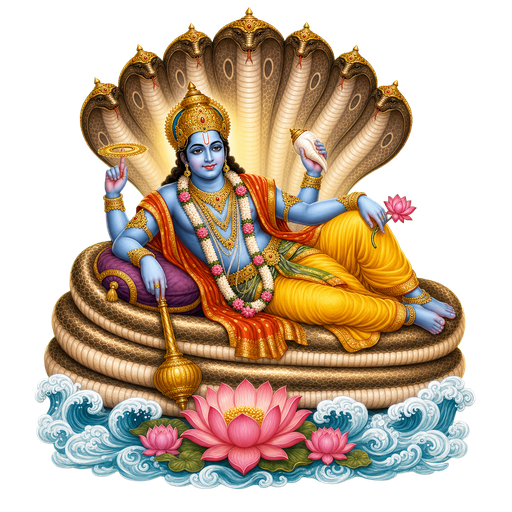
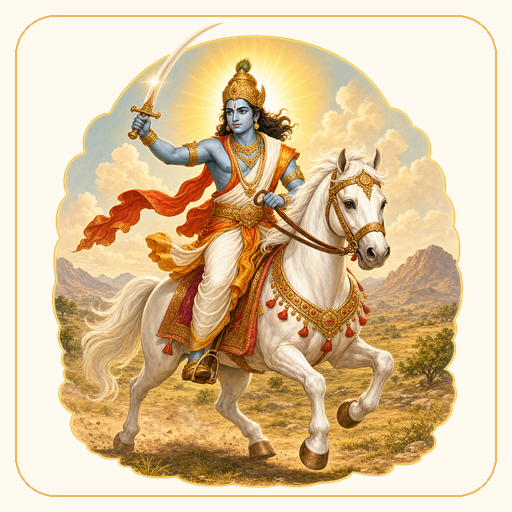
Kalki Jayanti is an annual panchang date/day of remembrance dedicated to Lord Vishnu's future, not-yet-appeared Kalki avatar — the Kalki avatar has not happened yet; by tradition, it is prophesied to manifest in the future, at the end of Kali Yuga. This tithi falls on Shravan Shukla Shashthi; in 2026, it falls on Tuesday, 18 August — the same day as Mangala Gauri Pujan (the first Shravan Tuesday). By tradition, Kalki is believed to ride the white horse Devadatta and, with a blazing sword, destroy adharma (unrighteousness) and restore dharma and Satya Yuga.
This year's dates (2026)
The Kalki avatar has not yet appeared. By tradition, this is a future, prophesied avatar of Vishnu — believed to manifest at the end of Kali Yuga. Everything on this page should be read within that future/prophetic frame.
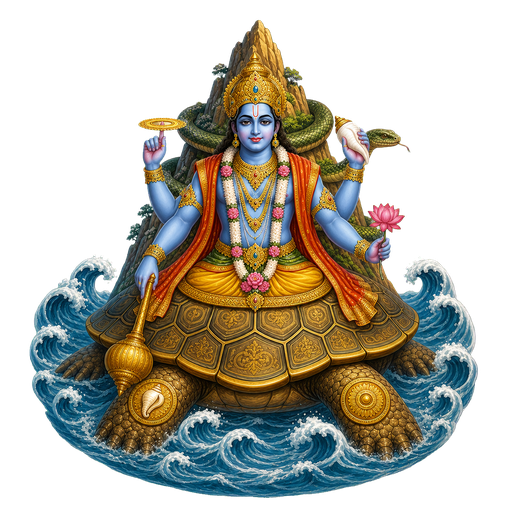
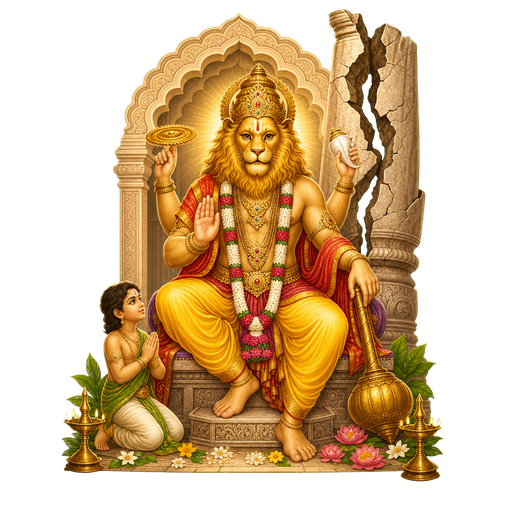
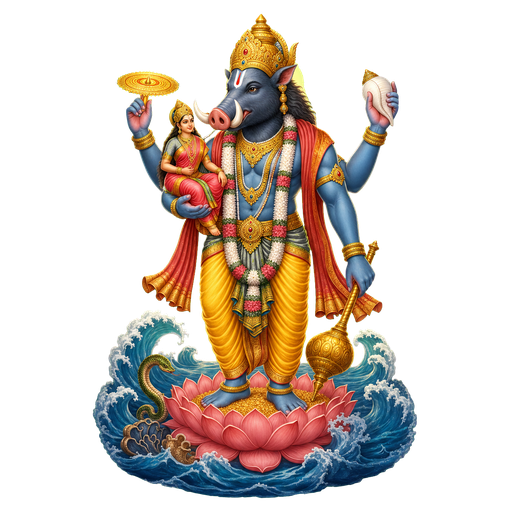
Kalki is an avatar of Vishnu, not a historical person — and unlike the other avatar Jayantis, this day marks an event that, by tradition, has not yet occurred. This site already has dedicated pages for other avatars of Vishnu (including Kurma, Narasimha, and Varaha) — Kalki is the last, still-awaited link in the dashavatar series.
What does "Kalki Jayanti" even mean if the avatar hasn't appeared yet?
It can sound contradictory — the Kalki avatar hasn't happened yet, so why does the panchang mark a fixed date ('Kalki Jayanti') for it every year? But in Hindu tradition, it isn't unusual for a prophesied future event to also have an annual day of remembrance or devotion. The dedicated English Wikipedia article on 'Kalki Jayanti' makes this explicit — it states that the day "celebrates the prophesied birth" of Kalki, not an event that has already happened; the article's language is consistently future-tense throughout. An independent, external source uses this same future-tense language as well.
So, for devotees, this day is not a birthday celebration but a devotional, symbolic day of anticipation — an occasion to reflect on the final, future avatar in the dashavatar series, to recall the philosophy of dharma's eventual restoration, and to wish for a better future through charity and good deeds.
Significance
- Kalki is regarded as the tenth and final avatar in Vishnu's dashavatar list — the last stage in the cycle of creation, prophesied to end Kali Yuga and begin Satya Yuga.
- The duration of Kali Yuga is traditionally held to be about 432,000 years — meaning, by tradition, this arrival is a very distant future event.
- A devotional meaning: a symbol of hope, renewal, and the cyclical nature of time — representing the belief that however much adharma grows, the restoration of dharma is inevitable.
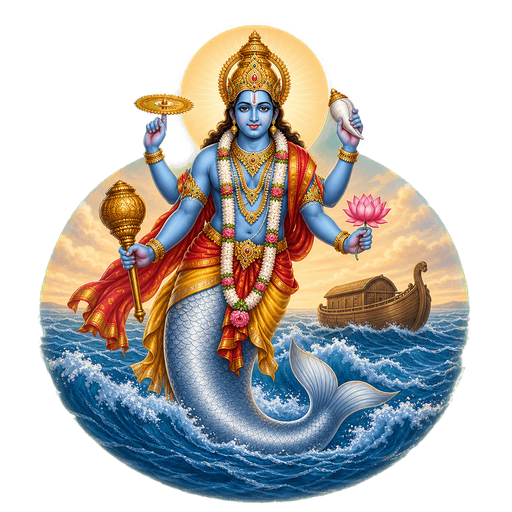
- This is the final link in the avatar series that began with Matsya — commonly presented as the natural conclusion of the dashavatar series.
The prophecy
The details below are presented as prophecy/tradition according to the Puranas — none of these events have occurred yet, so they should be read strictly in the future tense.
Tradition holds that, at the end of Kali Yuga, adharma, falsehood, and sin will reach their peak. At that time, Vishnu is prophesied to take the form of Kalki and be born in the village of Shambhala, to a Brahmin father named Vishnuyash and a mother named Sumati, as described in the Kalki Purana. He is believed to ride the white horse Devadatta (in some versions regarded as a form of Garuda) and, wielding a blazing, jewelled sword along with divine weapons such as the Brahmastra and Varunastra, will destroy adharma. Following this, tradition holds that Kali Yuga will end and Satya Yuga will be restored — a new beginning of the cycle of creation.
The Mahabharata mentions Kalki in a single, brief passage; the Vishnu Purana, the Matsya Purana, and the Bhagavata Purana also mention him — but the details vary by text. The Kalki Purana is a later, separate, and more detailed text (scholars estimate it was composed roughly between 1500 and 1700 CE) — most of the well-known details (Shambhala, Vishnuyash-Sumati, Devadatta) come from this text, not from the Mahabharata or the earliest Puranas.
In some versions (the Kalki Purana), Kalki is described as accompanied by an all-knowing parrot named 'Shuka'; this isn't found everywhere. The Buddhist Kalachakra tradition also has future righteous kings called 'Kalki' (in Shambhala) — scholars believe this concept may have been adopted by the Buddhist tradition from Hindu Vedic texts.
The date-tradition split
The panchang entry and other independent mainstream panchang sources agree on Shravan Shukla Shashthi as the tithi rule. The English Wikipedia's dedicated 'Kalki Jayanti' article, however, records a different tithi — Bhadrapad Shukla Dwadashi. This is a single-source claim, not corroborated by any other source checked. This page therefore treats Shravan Shukla Shashthi as the primary rule.
Who observes it
Vishnu devotees and those within the Vaishnava tradition observe this day — as a reflection on and remembrance of the final, future avatar in the dashavatar series. In Maharashtra, this is not a widespread festival — for most people, this day is better known as Mangala Gauri Pujan (the first Tuesday of Shravan).
Puja vidhi
These are mostly general Vishnu-vrat practices; no solid, independent reference for an ancient ritual specific to Kalki was found. A bath before sunrise, and clean clothing; worship of a Vishnu/Kalki image — chanting a seed mantra, a panchamrit abhishek, and offering flowers, a lamp, and incense; recitation of the Bhagavad Gita and Puranic passages that mention Kalki (108 times, in some traditions); and charity. No distinct, standardised udyapan ritual for Kalki Jayanti was found.
A Vishnu/Kalki image (showing the white-horse-mounted form, if available), a kalash, tulsi leaves, white or yellow flowers, sandalwood paste, panchamrit, an incense-lamp, naivedya, and items for charity — an indicative list; regional variation is possible; since an established, widely practised tradition is rare for this day, this is mostly a general Vishnu-puja materials list.
Those observing the vrat may fast, meditate, and recite scripture — this is optional and by tradition, and can vary by household or local custom.
Mantra
Commonly chanted: 'Om Namo Bhagavate Vasudevaya,' 'Om Namo Narayanaya,' and the Kalki-specific 'Om Kalkine Namah.' These are ancient, widely used Vishnu mantras.
Regional customs and modern context
Maharashtra has almost no distinct custom of its own for Kalki Jayanti — this is a minor panchang entry; the same day's Mangala Gauri Pujan is more prominent. No old or established Maharashtra site or temple connected to Kalki was found — naturally, since the avatar has not appeared yet.
A temple called 'Shri Kalki Dham' is under construction in Sambhal district, Uttar Pradesh — Hindu tradition holds that this Sambhal is the same 'Shambhala' prophesied in the Kalki Purana. The temple is thus being built for an avatar that, by tradition, has not yet appeared.
Historical records note that some individuals and religious movements have presented themselves as the Kalki avatar — these are regarded as claims outside mainstream orthodox Hindu tradition, and a minority view.
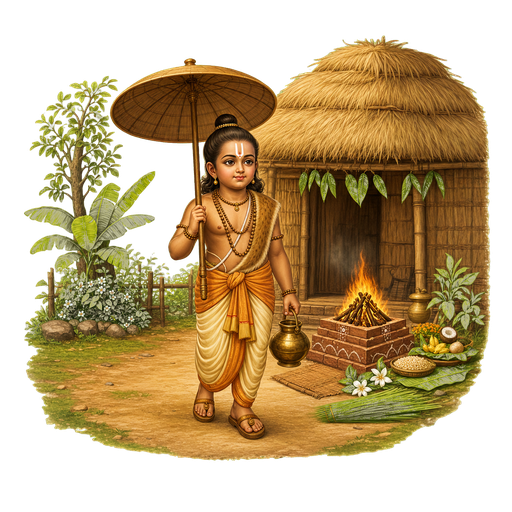
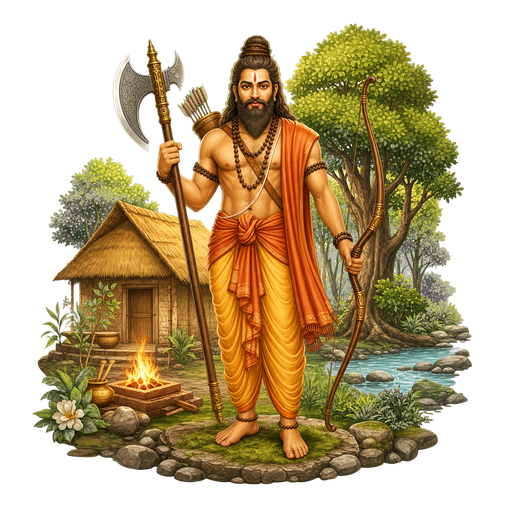
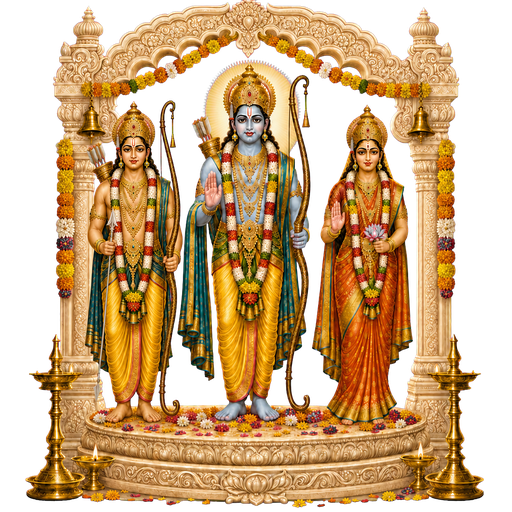
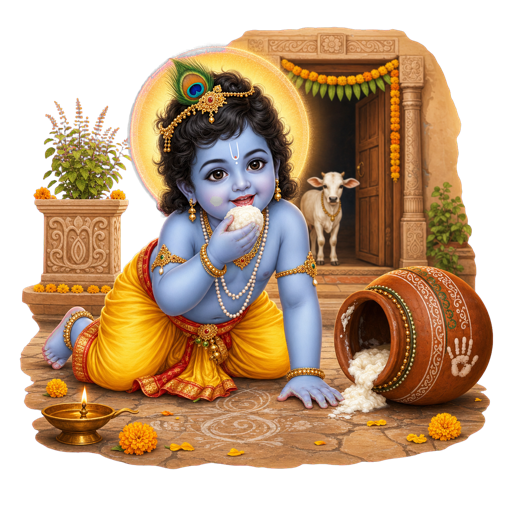
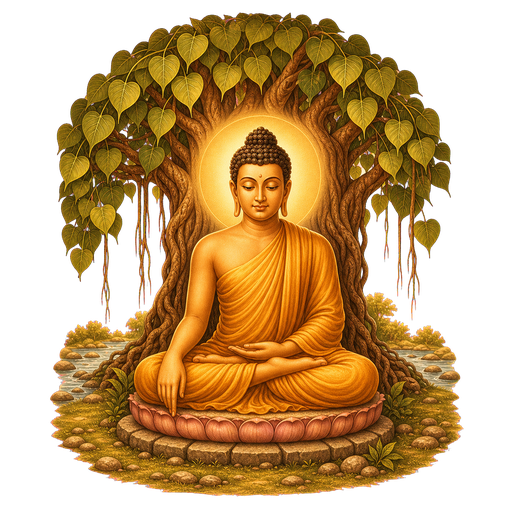
Matsya Jayanti, Kurma Jayanti, Narasimha Jayanti, Varaha Jayanti, Vamana Jayanti, Parshuram Jayanti, Ram Navami, Gokulashtami, and Buddha Purnima are parallel Jayantis within the dashavatar series.
Good to know
- The Kalki avatar has not yet appeared — by tradition, it is prophesied to manifest in the future, at the end of Kali Yuga; this Jayanti is a devotional, symbolic day of remembrance, not a birthday celebration.
- The same day is also Mangala Gauri Pujan — the first Tuesday of Shravan; for most people, this is the better-known observance of the day.
- Treat Shravan Shukla Shashthi as the tithi rule — the Bhadrapad Dwadashi mention is a single-source, minority reference.
FAQ
- When is Kalki Jayanti in 2026?
- Tuesday, 18 August 2026 (Shravan Shukla Shashthi).
- Why hasn't the Kalki avatar appeared yet?
- By tradition, it is prophesied to manifest only at the end of Kali Yuga — and Kali Yuga itself is traditionally held to last around 432,000 years, meaning this future event is a very long way off.
- Why is Kalki Jayanti observed if the avatar hasn't happened yet?
- It is a devotional, symbolic day of anticipation — honouring a prophesied future divine intervention, not celebrating an event that has already occurred.
- When will the Kalki avatar appear, or when will Kali Yuga end?
- Tradition holds that Kali Yuga lasts roughly 432,000 years — no fixed date is given in any recognised tradition.
- How is the Kalki avatar's form described?
- The white horse Devadatta, a blazing sword, and divine weapons such as the Brahmastra — according to the Kalki Purana, describing how he is expected to appear in the future.
- Is Kalki the last avatar of Vishnu?
- Yes, most dashavatar lists regard him as the tenth and final avatar.
- What is the Kalki Dham temple, and why is it being built before the avatar is even due to appear?
- A temple under construction in Sambhal district, Uttar Pradesh, at a site tradition regards as Kalki's prophesied birthplace — described by the temple itself as being built before the incarnation it honours.